Author name: Team Kedarq

sleep good for health
Blog

What Happens to the Body During Sleep?

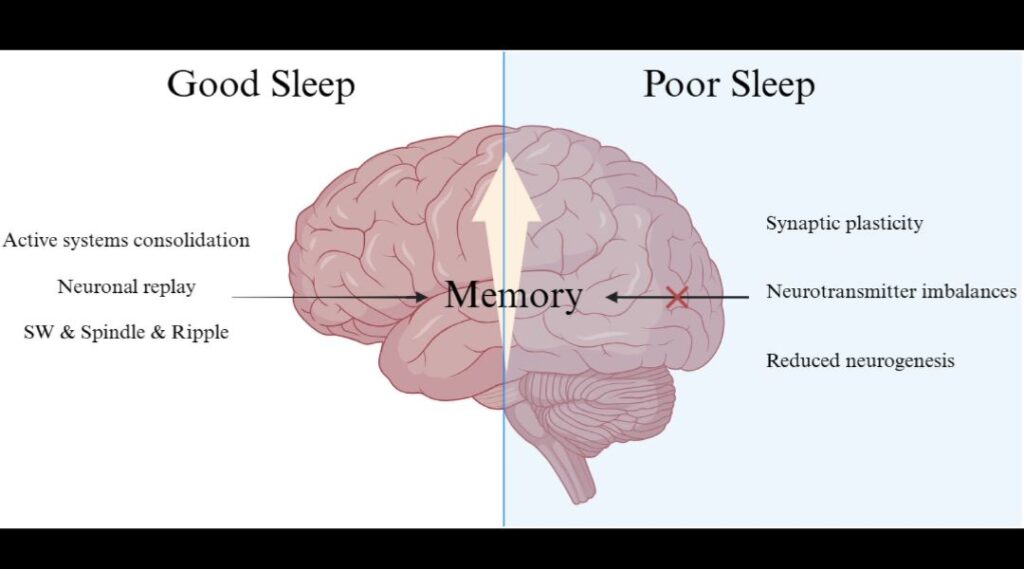
What Happens to the Body During Sleep? kedarq June 23, 2025 Understanding the Science of Sleep and Its Impact on Health Sleep is one of the most essential yet often underestimated functions of the human body. While it may appear that our body simply “shuts down” during sleep, in reality, it undergoes a series of complex and restorative processes that are vital for physical health, mental well-being, and emotional balance. Let’s explore what really happens to the body during sleep. 🧠 1. Brain Cleansing and Memory Formation   During sleep, especially in the deep stages (slow-wave sleep) and REM (Rapid Eye Movement) sleep, the brain becomes highly active in its own way. It processes the information gathered throughout the day, solidifying memories and discarding unnecessary data. ❤️ 2. Heart Rate and Blood Pressure Regulation As we sleep, the heart rate slows down and blood pressure drops, especially during non-REM sleep. This gives the cardiovascular system a chance to rest and recover. 🧬 3. Hormone Release and Cell Repair Sleep is the body’s repair time. 🩸 4. Immune System Strengthening Sleep boosts your immune function. 🌡️ 5. Body Temperature and Metabolism Your body temperature drops slightly during sleep, allowing you to fall into deeper stages more easily. 🧘‍♀️ 6. Muscle Relaxation and Recovery Muscles are at their most relaxed state during sleep, especially in deep sleep stages. 👀 7. Eye Movements in REM Sleep In REM sleep, the eyes move rapidly behind closed eyelids. This is the stage most associated with vivid dreaming. 🧠 Sleep Cycles: A Quick Overview Sleep occurs in cycles of 90–120 minutes, repeating 4–6 times per night: 🌙 Why Good Sleep Matters Poor sleep doesn’t just leave you tired—it affects nearly every system in the body. Chronic sleep deprivation has been linked to:   Sleep isn’t a passive state—it’s a powerful, active process where your body works behind the scenes to heal, restore, and prepare for the next day. Prioritizing good sleep hygiene, such as maintaining a consistent sleep schedule, avoiding screens before bedtime, and creating a relaxing sleep environment, can significantly enhance your physical and mental well-being. So, the next time you think about skipping sleep- remember: your body is counting on that downtime to keep you healthy and thriving. Latest Post 30 Jun 2025 National Doctor's Day: Honoring the Heroes in White Coats 23 Jun 2025 What Happens to the Body During Sleep? 18 Jun 2025 फ्लेबोटोमी – हेल्थकेयर सेक्टर में प्रवेश का पहला कदम 17 Jun 2025 Stress Affects the Human Body Physically 06 Jun 2025 Gut Feelings & Fairytales: 04 Jun 2025 Understanding Human Anatomy: The Foundation of Medical Science 02 Jun 2025 World Environment Day: A Call to Protect Our Planet 22 May 2025 he Role of Operation Theatre (OT) Technicians in Surgical Success 21 May 2025 Top Career Opportunities in the Paramedical Field 16 May 2025 Anti-Tobacco Day: A Step Towards a Healthier Tomorrow

Phlebotomy Course from haldwani
Blog

फ्लेबोटोमी – हेल्थकेयर सेक्टर में प्रवेश का पहला कदम

फ्लेबोटोमी एक ऐसा कोर्स है जो हेल्थकेयर में करियर की शुरुआत के लिए उपयुक्त है। जानिए कोर्स डिटेल्स, करियर विकल्प और भविष्य की संभावनाएं। केदार्क स्किलिफाई, हल्द्वानी में प्रवेश लें और हेल्थकेयर क्षेत्र में अपने सपनों की उड़ान भरें।

stress level management
Blog

Stress Affects the Human Body Physically

Stress Affects the Human Body Physically kedarq June 17, 2025 Stress is a natural part of life. Everyone experiences it at some point — whether it’s due to work pressure, financial concerns, relationship challenges, or unexpected life changes. But what many people don’t realize is how deeply stress impacts the body physically, not just mentally. In this article, we’ll explore how stress manifests in the body, the symptoms to watch out for, and why managing stress is critical for long-term health. 1. The Brain and Nervous System When you’re stressed, your brain triggers the “fight-or-flight” response by releasing cortisol and adrenaline. These hormones prepare your body to react quickly to danger. Effects: Chronic stress can shrink areas of the brain like the hippocampus, which is crucial for memory and learning. 2. Cardiovascular System Stress causes the heart to beat faster and blood vessels to narrow. Over time, this puts extra pressure on the heart. Effects: Prolonged stress can also contribute to inflammation, a leading factor in heart disease. 3. Digestive System The gut is highly sensitive to emotional and mental states. Stress disrupts the communication between the brain and digestive tract. Effects: Stress can also slow digestion, causing constipation, or speed it up, leading to diarrhea. 4. Muscles and Joints When stressed, your muscles tense up as part of the body’s natural defense mechanism. Effects: Over time, this can lead to chronic pain conditions. 5. Immune System While short-term stress can boost the immune system temporarily, long-term stress weakens it. Effects: Stress also lowers the body’s ability to respond to vaccines and fight illness effectively. 6. Skin and Hair Stress doesn’t just affect what’s inside — it can also show up on your skin and hair. Effects: How to Manage Stress Physically To reduce the physical toll of stress, consider adopting: Final Thoughts Stress might start in the mind, but it echoes throughout the body. Ignoring it can lead to serious health issues over time. By learning to recognize the signs of stress and taking proactive steps to manage it, you can protect both your physical and emotional well-being. Latest Post National Doctor's Day: Honoring the Heroes in White Coats What Happens to the Body During Sleep? फ्लेबोटोमी – हेल्थकेयर सेक्टर में प्रवेश का पहला कदम Stress Affects the Human Body Physically Gut Feelings & Fairytales: Understanding Human Anatomy: The Foundation of Medical Science World Environment Day: A Call to Protect Our Planet he Role of Operation Theatre (OT) Technicians in Surgical Success Top Career Opportunities in the Paramedical Field Anti-Tobacco Day: A Step Towards a Healthier Tomorrow

digestive system myths
Blog

Gut Feelings & Fairytales:

kedarq June 6, 2025 Unmasking 10 Shocking Myths About Your Digestive System! Our digestive system – that incredible internal powerhouse – works tirelessly, day in and day out, to fuel our bodies. But for something so vital, it’s surprisingly misunderstood! Our guts have become breeding grounds for a wild array of myths and old wives’ tales, leading to unnecessary worry, ineffective “cures,” and sometimes even harm. It’s time to sift through the folklore and embrace the fascinating truth about our inner workings.Ready to bust 10 shocking digestive myths wide open? Let’s go! Myth #1: You Need Eight Glasses of Water a Day Specifically for Digestion We all know water is crucial for health, and hydration is often touted as the ultimate digestive aid. While essential, the idea of religiously downing eight glasses solely to keep your digestive system running smoothly is a bit oversimplified. Here’s the reality: Your body gets water from food, other beverages, and even produces some metabolically. More importantly, your body is incredibly smart at regulating its hydration needs. While adequate water intake helps soften stool and aids nutrient absorption, simply forcing down exactly eight glasses a day isn’t a magic bullet for all digestive woes, nor is it the only way to stay hydrated. Listen to your body’s thirst cues, and ensure a generally healthy fluid intake, and your digestive system will thank you! Myth #2: Spicy Foods Are the Arch-Nemesis That Causes Ulcers Feeling the burn after a particularly fiery curry? Many blame that heat for ulcers. The truth? Spicy foods don’t cause ulcers. Most stomach ulcers are actually the result of a bacterial infection (hello, H. pylori!) or the long-term use of certain medications like NSAIDs. While a jalapeño might certainly aggravate existing ulcer symptoms or acid reflux for some, it’s not the root cause of the problem. So, go ahead and enjoy that extra chili flake, if your gut allows! Myth #3: You Must Have a Bowel Movement Every Single Day to Be Healthy Obsessing over daily bowel movements? You’re not alone! Many believe a daily trip to the toilet is the gold standard for gut health. But here’s a liberating fact: “Normal” bowel frequency is a spectrum, not a rigid rule. It can range anywhere from three times a day to three times a week! What truly matters is consistency for you and comfort. If your habits are regular and you’re not experiencing discomfort or straining, your gut is likely happy. Myth #4: “Detox” Diets & Cleanses Are Your Body’s Reset Button The health world is awash with promises of magical “detoxes” and colon cleanses that claim to flush out nasty toxins. Time to get real: Your body is already a master of detoxification! Your liver, kidneys, and yes, your own digestive tract, tirelessly work 24/7 to process and eliminate waste and toxins. These trendy “cleanses” are usually unnecessary, scientifically unproven, and can even be harmful, leading to dehydration, electrolyte imbalances, and disrupting your beneficial gut bacteria. Save your money – your body’s got this! Myth #5: Everyone Should Ditch Gluten for a Happier Gut Gluten-free diets have soared in popularity, with many believing they’re the secret to universal gut health. However, it’s not a one-size-fits-all solution. Unless you have celiac disease (a serious autoimmune condition where gluten damages the small intestine) or a diagnosed non-celiac gluten sensitivity, cutting out gluten unnecessarily might actually lead to missing out on beneficial fibers found in whole grains. For most people, gluten isn’t the enemy! Myth #6: Probiotics Are the Magic Pill for All Digestive Woes Those little friendly bacteria get a lot of hype, and for good reason – they can be incredibly beneficial for specific issues like antibiotic-associated diarrhea or some IBS cases. But here’s the catch: Probiotics aren’t a universal cure-all. Their effectiveness depends on the specific strain, the condition, and the individual. A balanced diet rich in fiber (which feeds your good gut bugs!) and a healthy lifestyle generally offer more profound and lasting benefits for overall gut wellness. Think of them as helpful allies, not superheroes for every battle! Myth #7: Drinking Cold Water is Bad for Digestion You might have heard that sipping on chilled water can “shock” your digestive system or hinder the breakdown of food. Dispelling the chill: While very cold water might temporarily constrict blood vessels in your digestive tract for a moment, your body quickly warms it up to body temperature. For most healthy individuals, drinking cold water does not significantly impair digestion. In fact, it can even be beneficial, especially during exercise, for cooling down the body. If you experience discomfort, then perhaps room-temperature water is better for your body, but it’s not a universal rule. Myth #8: Drinking Water During Meals Hinders DigestionAnother common belief is that sipping water with your food “dilutes” digestive acids and enzymes, making digestion less efficient. The truth is quite the opposite! Water actually aids digestion by helping to break down food, allowing nutrients to be absorbed more easily. It also softens stool, preventing constipation. So, feel free to hydrate while you eat – it’s your body’s natural helper! Myth #9: Antacids “Cure” AcidityWhen heartburn strikes, antacids offer quick relief by neutralizing stomach acid. But don’t mistake them for a long-term solution or a “cure.” Here’s the distinction: Antacids provide temporary symptom relief; they don’t address the underlying cause of chronic acidity or gastroesophageal reflux disease (GERD). Regular reliance on antacids might mask a more serious issue. If you’re frequently reaching for them, it’s a sign to consult a doctor to get to the root of the problem. Myth #10: Milk is Always Good for a Stomach Ache For generations, a glass of milk has been a go-to remedy for an upset stomach. However, this “soothing” solution can be a double-edged sword. While milk might temporarily coat the stomach lining and offer brief relief for excess acid, it can also stimulate the stomach to produce more acid shortly after. Plus, if you’re lactose intolerant (which many people

human body
Blog

Understanding Human Anatomy: The Foundation of Medical Science

Understanding Human Anatomy: The Foundation of Medical Science kedarq June 4, 2025 Human Anatomy is the branch of biology concerned with the study of the structure of the human body. It is one of the most fundamental subjects in the medical and paramedical fields and serves as the foundation for understanding how the body functions, how diseases affect it, and how treatments work. What is Human Anatomy? Human Anatomy focuses on the form and structure of the body and its parts. It is typically divided into two major branches:   Gross Anatomy: Study of body parts visible to the naked eye (like bones, muscles, and organs). Microscopic Anatomy (Histology): Study of structures at the cellular and tissue level using a microscope. Major Systems of the Human Body The human body is made up of several systems, each with specific functions that work together to maintain life. Key systems include:   Skeletal System – Provides structure, support, and protection. Made of 206 bones. Muscular System – Enables movement of the body and internal organs. Nervous System – Controls body activities with electrical signals via the brain, spinal cord, and nerves. Circulatory System – Transports blood, oxygen, and nutrients through the heart and blood vessels. Respiratory System – Facilitates breathing and gas exchange in the lungs. Digestive System – Breaks down food into nutrients and removes waste. Excretory System – Removes waste products from the body (kidneys, bladder). Endocrine System – Produces hormones that regulate body functions. Reproductive System – Responsible for producing offspring. Integumentary System – Includes skin, hair, and nails; protects the body. Why Human Anatomy is Important in Healthcare   Helps paramedics and doctors understand patient symptoms and physical issues. Aids in diagnosing illnesses and locating problems inside the body. Essential for surgical procedures, where knowing the exact location of organs is critical. Vital for physiotherapists, radiologists, lab technicians, and nurses. Human Anatomy in Paramedical Courses For paramedical students, anatomy is one of the first subjects taught. Whether you’re studying to be an OT technician, lab technician, or physiotherapist, a deep understanding of human anatomy is necessary to perform your duties efficiently and safely. https://www.youtube.com/watch?v=XHOmBV4js_E National Doctor's Day: Honoring the Heroes in White Coats What Happens to the Body During Sleep? फ्लेबोटोमी – हेल्थकेयर सेक्टर में प्रवेश का पहला कदम Stress Affects the Human Body Physically Gut Feelings & Fairytales: Understanding Human Anatomy: The Foundation of Medical Science World Environment Day: A Call to Protect Our Planet he Role of Operation Theatre (OT) Technicians in Surgical Success Top Career Opportunities in the Paramedical Field Anti-Tobacco Day: A Step Towards a Healthier Tomorrow Comment Cancel Reply Logged in as kedarq. Edit your profile. Log out? Required fields are marked * 30 Jun 2025 Blog National Doctor's Day: Honoring the Heroes in White Coats 23 Jun 2025 Blog What Happens to the Body During Sleep? 18 Jun 2025 Blog फ्लेबोटोमी – हेल्थकेयर सेक्टर में प्रवेश का पहला कदम 17 Jun 2025 Blog Stress Affects the Human Body Physically 06 Jun 2025 Blog Gut Feelings & Fairytales: 04 Jun 2025 Blog Understanding Human Anatomy: The Foundation of Medical Science 02 Jun 2025 Blog World Environment Day: A Call to Protect Our Planet 22 May 2025 Blog he Role of Operation Theatre (OT) Technicians in Surgical Success 21 May 2025 Blog Top Career Opportunities in the Paramedical Field 16 May 2025 Blog Anti-Tobacco Day: A Step Towards a Healthier Tomorrow

Blog

he Role of Operation Theatre (OT) Technicians in Surgical Success

he Role of Operation Theatre (OT) Technicians in Surgical Success kedarq May 22, 2025 When we think of surgery, we often picture skilled surgeons and attentive nurses working to save lives. However, behind every successful surgical procedure is a team of professionals working in perfect harmony — and one crucial yet often overlooked member of this team is the Operation Theatre (OT) Technician. Their role, though mostly behind the scenes, is vital to the smooth functioning of the operation theatre and the overall success of surgical outcomes. Who Are OT Technicians? OT Technicians, also known as surgical technologists or operating room assistants, are trained healthcare professionals who assist in the preparation and maintenance of the operation theatre before, during, and after surgical procedures. Their responsibilities cover a wide range of technical and support duties that ensure surgeries proceed efficiently and safely. Key Responsibilities of OT Technicians Importance in Surgical Success OT Technicians play a silent yet powerful role in determining the success of a surgery. Here’s how: Skills and Qualities Required To be effective, OT Technicians must possess: Conclusion The role of Operation Theatre Technicians is indispensable in the realm of surgery. While they may not be in the spotlight, their contribution is foundational to every successful operation. By ensuring that everything runs like clockwork behind the scenes, OT Technicians enable surgeons to perform at their best, ultimately improving patient outcomes and saving lives. As healthcare systems continue to evolve, the demand and respect for skilled OT Technicians will only continue to grow. 4o Latest Post 30 Jun 2025 National Doctor's Day: Honoring the Heroes in White Coats 23 Jun 2025 What Happens to the Body During Sleep? 18 Jun 2025 फ्लेबोटोमी – हेल्थकेयर सेक्टर में प्रवेश का पहला कदम 17 Jun 2025 Stress Affects the Human Body Physically 06 Jun 2025 Gut Feelings & Fairytales: 04 Jun 2025 Understanding Human Anatomy: The Foundation of Medical Science 02 Jun 2025 World Environment Day: A Call to Protect Our Planet 22 May 2025 he Role of Operation Theatre (OT) Technicians in Surgical Success 21 May 2025 Top Career Opportunities in the Paramedical Field 16 May 2025 Anti-Tobacco Day: A Step Towards a Healthier Tomorrow Leave a Reply Cancel Reply Logged in as kedarq. Edit your profile. Log out? Required fields are marked * Message* All Posts Blog National Doctor’s Day: Honoring the Heroes in White Coats June 30, 2025/No Comments National Doctor’s Day: Honoring the Heroes in White Coats kedarq June 30, 2025 Every year, National Doctor’s Day is celebrated… Read More What Happens to the Body During Sleep? June 23, 2025/No Comments What Happens to the Body During Sleep? kedarq June 23, 2025 Understanding the Science of Sleep and Its Impact on… Read More फ्लेबोटोमी – हेल्थकेयर सेक्टर में प्रवेश का पहला कदम June 18, 2025/No Comments फ्लेबोटोमी एक ऐसा कोर्स है जो हेल्थकेयर में करियर की शुरुआत के लिए उपयुक्त है। जानिए कोर्स डिटेल्स, करियर विकल्प… Read More Load More End of Content.

Scroll to Top