Blog

Your blog category

Blog, science

World Organ Donation Day 2024: Embracing the Gift of Life

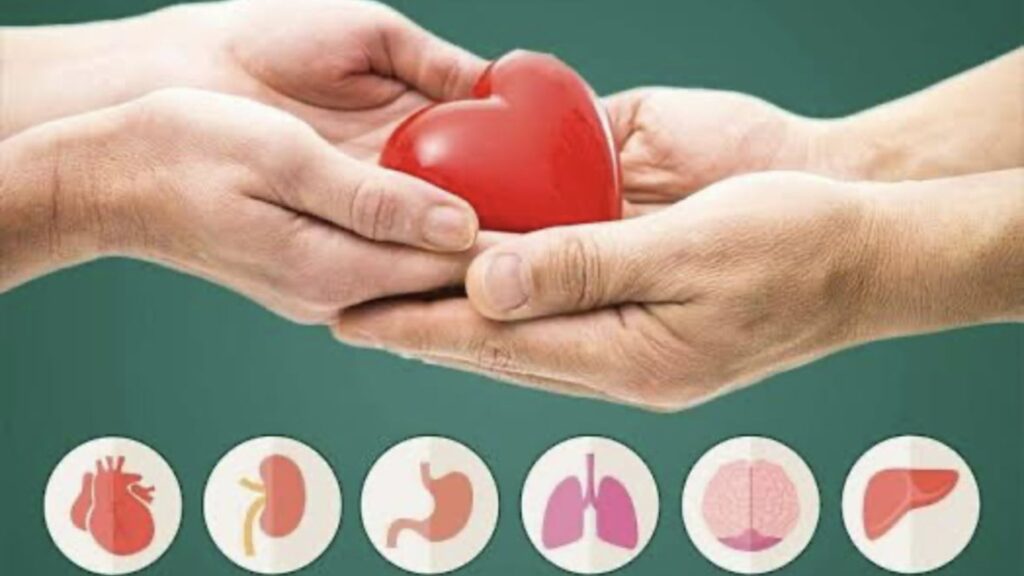
One of the significant challenges in promoting organ donation is the prevalence of myths and misconceptions. Many people fear that their organs will be taken prematurely or that their families will be burdened with medical costs. Others believe that their religious or cultural beliefs prevent them from donating organs.

Blog

अंतर्राष्ट्रीय योग दिवस 2024: क्या है योग?

पतंजलि योग सूत्र और अष्टांग योग का आलिंगन  21 जून अंतर्राष्ट्रीय योग दिवस! एक ऐसा दिन जो हमें योग के जादू से रूबरू कराता है, हमारी शारीरिक, मानसिक और आध्यात्मिक सेहत को बेहतर बनाता है। इस बार का योग दिवस कुछ खास है क्योंकि हम इसमें पतंजलि योग सूत्र और अष्टांग योग की प्राचीन शिक्षाओं को भी शामिल कर रहे हैं। तो चलिए, जानते हैं इनके बारे में और कैसे यह हमारे जीवन को बदल सकते हैं। क्या है योग? योग, प्राचीन भारतीय ज्ञान का एक अनमोल उपहार है, जिसे शरीर, मन और आत्मा के समग्र संतुलन के लिए जाना जाता है। योग शब्द संस्कृत के “युज” धातु से बना है, जिसका अर्थ है “जुड़ना” या “मिलन करना”। यह मिलन न केवल शारीरिक और मानसिक स्वास्थ्य को संदर्भित करता है, बल्कि आत्मा के परमात्मा से मिलन की दिशा में भी इंगित करता है। योग के उद्देश्य योग का मुख्य उद्देश्य आत्मा, मन और शरीर को एकीकृत करना है। इसके द्वारा हम शारीरिक स्वास्थ्य, मानसिक शांति और आध्यात्मिक उन्नति प्राप्त कर सकते हैं। योग हमें:  पतंजलि योग सूत्र: योग का मर्म योग की दुनिया में कदम रखते ही सबसे पहले हमें मिलता है पतंजलि योग सूत्र। ये सूत्र लगभग 400 ईस्वी में ऋषि पतंजलि द्वारा संकलित किए गए थे और ये हमें बताते हैं कि कैसे योग के माध्यम से हम मानसिक शांति और आत्म-साक्षात्कार प्राप्त कर सकते हैं।  चार अध्यायों में विभाजित:1. समाधि पाद: यह ध्यान की स्थिति प्राप्त करने के तरीकों पर जोर देता है।2. साधना पाद: योग की साधना कैसे करें, इसका व्यावहारिक मार्गदर्शन।3. विभूति पाद: योग के अभ्यास से प्राप्त शक्तियों और उनकी प्रासंगिकता।4. कैवल्य पाद: मुक्ति और आत्मा के वास्तविक स्वभाव पर चर्चा। अष्टांग योग: आठ अंगों की महिमा पतंजलि ने योग के आठ अंगों का उल्लेख किया है, जिन्हें हम अष्टांग योग कहते हैं। ये आठ अंग हमारे जीवन को संतुलित और समृद्ध बनाने में सहायक हैं: 1. यम: नैतिक अनुशासन (अहिंसा, सत्य, अस्तेय, ब्रह्मचर्य, अपरिग्रह)2. नियम: आत्म-अनुशासन (शौच, संतोष, तप, स्वाध्याय, ईश्वर प्रणिधान)3. आसन: शारीरिक मुद्राएं4. प्राणायाम: श्वास नियंत्रण5. प्रत्याहार: इंद्रियों का वापसी6. धारणा: एकाग्रता7. ध्यान: मेडिटेशन8. समाधि: आत्म-साक्षात्कार योग दिवस पर क्या खास? इस अंतर्राष्ट्रीय योग दिवस पर, आप और हम मिलकर इन प्राचीन शिक्षाओं को अपने जीवन में शामिल कर सकते हैं। तो चलिए, देखते हैं इस दिन हम क्या-क्या कर सकते हैं: – निर्देशित योग सत्र: विशेषज्ञ प्रशिक्षकों द्वारा संचालित सत्र, जो अष्टांग योग के सिद्धांतों को शामिल करते हुए हमें शारीरिक, मानसिक और आध्यात्मिक कल्याण की दिशा में मार्गदर्शन करेंगे।– ध्यान कार्यशालाएं: ध्यान की तकनीकों पर कार्यशालाएं, जो मानसिक स्पष्टता और आंतरिक शांति को बढ़ावा देंगी।– नैतिक चर्चाएं: यम और नियम पर चर्चा, जो हमारे जीवन को अधिक संतुलित और अर्थपूर्ण बनाएगी।– प्राणायाम अभ्यास: श्वास नियंत्रण की तकनीकें, जो हमें ऊर्जा और शांति का अनुभव कराएंगी।– सांस्कृतिक प्रदर्शन: पारंपरिक संगीत, नृत्य और कहानी सुनाना, जो हमें योग की सांस्कृतिक धरोहर से जोड़ेंगे।  योग को अपने जीवन का हिस्सा बनाएं आप जानते हैं, योग केवल शारीरिक मुद्राओं का अभ्यास नहीं है। यह एक जीवनशैली है। तो क्यों न हम इसे अपने दैनिक जीवन में शामिल करें? नैतिक अनुशासन का पालन करें, नियमित ध्यान करें, और एक स्वस्थ जीवनशैली अपनाएं। इससे न केवल हमारा शरीर स्वस्थ रहेगा, बल्कि हमारा मन और आत्मा भी शांत और संतुलित रहेंगे।  निष्कर्ष तो दोस्तों, इस अंतर्राष्ट्रीय योग दिवस 2024 पर, चलिए हम सब मिलकर पतंजलि योग सूत्र और अष्टांग योग की शिक्षाओं को अपनाएं। आइए, एक साथ योग करें, अपने जीवन में सामंजस्य और शांति लाएं, और इस अद्भुत प्राचीन परंपरा का हिस्सा बनें। योग के माध्यम से, हम न केवल अपने आप को बल्कि पूरी दुनिया को एक बेहतर और शांतिपूर्ण स्थान बना सकते हैं। क्या आप तैयार हैं? अपने योग मैट निकालिए, और चलिए इस योग दिवस को यादगार बनाते हैं!  Leave a Reply Cancel Reply Logged in as kedarq. Edit your profile. Log out? Required fields are marked * Message* All Posts Blog Gut Feelings & Fairytales: June 6, 2025/No Comments Unmasking 10 Shocking Myths About Your Digestive System! Our digestive system – that incredible internal powerhouse – works tirelessly, day… Read More Understanding Human Anatomy: The Foundation of Medical Science June 4, 2025/No Comments Human Anatomy is the branch of biology concerned with the study of the structure of the human body. It is… Read More World Environment Day: A Call to Protect Our Planet June 2, 2025/No Comments World Environment Day, celebrated on June 5, is a global initiative to raise awareness and inspire action for the protection… Read More Load More End of Content.

science

ब्रेन ट्यूमर दिवस

ब्रेन ट्यूमर के लक्षण
सामान्य संकेतों और लक्षणों में सिरदर्द, दौरे, संज्ञानात्मक हानि, व्यवहार या व्यक्तित्व में परिवर्तन, दृष्टि या सुनने की समस्याएं शामिल हो सकती है।

Blog

Global Fight Against Tobacco Use

Global Fight Against Tobacco Use In view of World No-Tobacco Day 2024: Every year on May 31st, the world comes together to observe World No-Tobacco Day, an initiative spearheaded by the World Health Organization (WHO). The primary aim of this day is to raise awareness about the detrimental effects of tobacco use and to advocate for effective policies to reduce tobacco consumption globally. Need to observe World No-Tobacco Day ! World No-Tobacco Day was established by the WHO in 1987 to draw global attention to the tobacco epidemic and the preventable death and disease it causes. The day is an opportunity to highlight the health risks associated with tobacco use and to encourage governments to implement strong tobacco control measures. The ultimate goal is to protect present and future generations not only from the devastating health consequences of tobacco use but also from the social, environmental, and economic scourges of tobacco production and consumption. The Toll of Tobacco Use: Tobacco use remains one of the leading causes of death and disease worldwide. According to the WHO, tobacco kills more than 8 million people each year. Over 7 million of these deaths are the result of direct tobacco use, while approximately 1.2 million are due to non-smokers being exposed to second-hand smoke. These statistics are a stark reminder of the urgent need for effective tobacco control measures. Global Impact: Tobacco use is a major risk factor for a host of diseases, including cardiovascular disease, respiratory disease, and at least 20 different types or subtypes of cancer. Economic Burden: The economic costs of tobacco use are substantial, including significant healthcare costs for treating diseases caused by tobacco and lost productivity due to illness and premature death. Youth and Addiction: Each year, over a million young people start smoking. Most smokers begin before the age of 18, highlighting the critical need for preventive measures targeting youth. World No-Tobacco Day 2024 Theme The theme for this year is “Protecting Children from Tobacco Industry Interference”, focusing on shielding young people from the manipulative tactics of the tobacco industry. The Tobacco Industry’s Targeting of Children The tobacco industry has a long history of targeting young people to recruit the next generation of smokers. This is critical for their business, as many current smokers die prematurely or quit smoking, necessitating the recruitment of new users to maintain profitability. The industry’s tactics include: Youth-Oriented Marketing: Using advertising and promotional strategies designed to appeal to young people, such as colorful packaging, sponsorship of youth events, and use of social media influencers. Product Design: Developing products that are attractive to children and teenagers, such as flavored cigarettes and e-cigarettes (vapes) that mimic candy or fruit flavors. Accessibility: Ensuring that tobacco products are easily accessible to young people by lobbying against age restrictions and selling products near schools and playgrounds. Misleading Information: Spreading misinformation about the harms of tobacco use and the so-called benefits of smoking, often downplaying the risks associated with smoking and second-hand smoke. The Impact on Children The impact of tobacco industry interference on children and adolescents is profound and multifaceted: Health Risks: Early exposure to tobacco increases the risk of addiction, as nicotine is highly addictive. Young smokers are more likely to develop severe health problems later in life, including lung cancer, heart disease, and respiratory issues. Addiction: The younger an individual starts using tobacco, the more likely they are to become heavily addicted, making quitting more difficult. Behavioral Influence: Marketing tactics that normalize smoking can influence children’s perceptions, making them more likely to start smoking themselves. Protecting Children from Tobacco Industry Interference Efforts to protect children from the tobacco industry’s influence are crucial. Key strategies include: Strong Legislation: Enacting and enforcing laws that ban tobacco advertising, promotion, and sponsorship, especially those targeting young people. Implementing plain packaging laws and banning flavored tobacco products can also help. Age Restrictions: Strictly enforcing age restrictions on the sale of tobacco products and increasing the legal age for purchasing tobacco. Education Campaigns: Conducting public education campaigns to inform young people about the dangers of tobacco use and the tactics used by the tobacco industry to target them. School Programs: Implementing comprehensive tobacco prevention programs in schools that educate students about the risks of smoking and teach skills to resist peer pressure. Community Engagement: Involving communities in creating environments that support tobacco-free lifestyles for young people. Global Efforts and Advocacy Countries around the world have made significant strides in tobacco control, including implementing policies such as: Graphic Warning Labels: To inform consumers about the risks associated with tobacco use. Advertising Bans: To reduce the influence of tobacco advertising, especially on young people. Smoke-Free Laws: To protect non-smokers from second-hand smoke. Tax Increases: To discourage tobacco use through higher prices. Despite these efforts, continued vigilance and advocacy are essential. Organizations and individuals are encouraged to participate in World No Tobacco Day by organizing events, spreading awareness through social media, and advocating for stronger tobacco control policies. World No Tobacco Day 2024 serves as a crucial reminder of the ongoing battle against tobacco use and its widespread impacts. By focusing on sustainable alternatives to tobacco farming, this year’s theme underscores the interconnectedness of health, agriculture, and the environment. Together, we can work towards a healthier, tobacco-free future for all. KEDARQ being an Healthcare academy wish to play and important role to fight against Tobacco use. If you want to organise a workshop/ seminar/ awareness program in your community,  our team will be pleased to visit and participate.  Call us at 7500-111-802 or mail us at info@kedarq.com All Posts Blog Gut Feelings & Fairytales: June 6, 2025/No Comments Unmasking 10 Shocking Myths About Your Digestive System! Our digestive system – that incredible internal powerhouse – works tirelessly, day… Read More Understanding Human Anatomy: The Foundation of Medical Science June 4, 2025/No Comments Human Anatomy is the branch of biology concerned with the study of the structure of the human body. It is… Read More World Environment Day: A Call to Protect Our Planet

Blog

रक्तदान और उसके फायदे

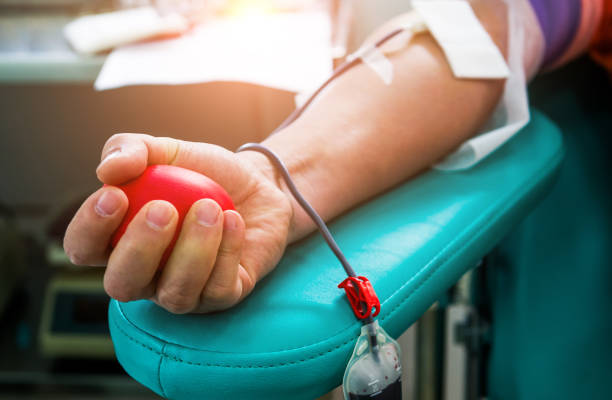
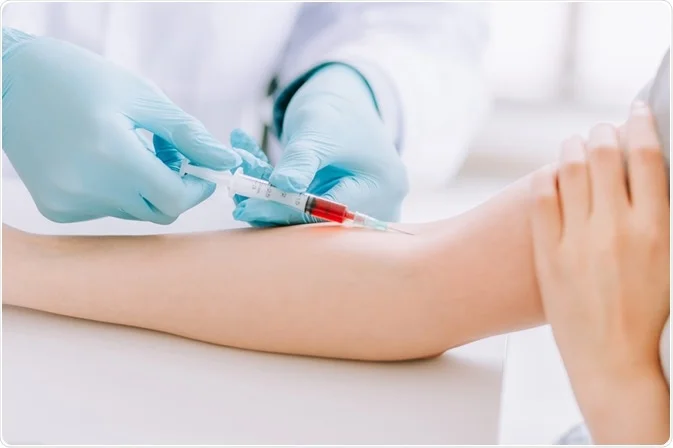
रक्तदान एक ऐसा महान कार्य है जिससे किसी व्यक्ति के जीवन को बचाया जा सकता है। यह मानवता की सेवा का एक उत्कृष्ट उदाहरण है। हर साल लाखों लोग दुर्घटनाओं, बीमारियों, और सर्जरी के दौरान खून की कमी के कारण अपनी जान गंवा देते हैं। ऐसे में रक्तदान उनके लिए जीवनदान साबित हो सकता है। रक्तदान के कई फायदे हैं, जिन्हें जानकर आप भी इस पुण्य कार्य में शामिल हो सकते हैं। रक्तदान के फायदे रक्तदान के बाद ध्यान देने योग्य बातें रक्तदान करने की प्रक्रिया रक्तदान की प्रक्रिया बहुत ही सरल और सुरक्षित होती है। इसके लिए सबसे पहले रक्तदाता का स्वास्थ्य जांचा जाता है ताकि यह सुनिश्चित किया जा सके कि वह रक्तदान के योग्य है। फिर एक स्वच्छ सुई का उपयोग करके रक्त लिया जाता है। पूरी प्रक्रिया लगभग 10-15 मिनट में पूरी हो जाती है। निष्कर्ष रक्तदान एक सरल, सुरक्षित और परोपकारी कार्य है, जो न केवल दूसरों के जीवन को बचाने में मदद करता है, बल्कि स्वयं दाता के स्वास्थ्य के लिए भी लाभकारी होता है। यदि आप स्वस्थ हैं और रक्तदान के योग्य हैं, तो नियमित रूप से रक्तदान करने की आदत डालें। इससे न केवल आप दूसरों की मदद करेंगे, बल्कि समाज में एक सकारात्मक बदलाव भी ला सकते हैं। आइए, हम सभी मिलकर रक्तदान करें और इस नेक कार्य में अपना योगदान दें। रक्तदान से बड़ी कोई सेवा नहीं है, क्योंकि इससे किसी को नया जीवन मिलता है। Read this also- Career in Phlebotomy All Posts Blog Gut Feelings & Fairytales: June 6, 2025/No Comments Unmasking 10 Shocking Myths About Your Digestive System! Our digestive system – that incredible internal powerhouse – works tirelessly, day… Read More Understanding Human Anatomy: The Foundation of Medical Science June 4, 2025/No Comments Human Anatomy is the branch of biology concerned with the study of the structure of the human body. It is… Read More World Environment Day: A Call to Protect Our Planet June 2, 2025/No Comments World Environment Day, celebrated on June 5, is a global initiative to raise awareness and inspire action for the protection… Read More Load More End of Content.
Blog

Career in Phlebotomy

In the big world of healthcare, there’s a job that’s super important but not always in the spotlight – it’s called phlebotomy. Phlebotomists are the folks who draw blood from patients for all kinds of reasons, like tests or donations. If you’re interested in joining this vital part of healthcare, you’ll need to start with a phlebotomy course. Let’s take a closer look at what that involves and how it can lead to a cool career in healthcare. What’s in a Phlebotomy Course? A phlebotomy course is like your first step into the world of being a phlebotomist. It teaches you all the things you need to know and do to be good at your job. Here are some of the main things you’ll learn: Career in Phlebotomy Phlebotomy technicians work in various healthcare settings where blood collection services are needed. Some common places where phlebotomy technicians work include: In Conclusion: Starting with a phlebotomy course is like opening a door to a whole new world of opportunities in healthcare. It gives you the skills and knowledge you need to be a great phlebotomist. And as you dive into this exciting career, you’ll find yourself making a real difference in people’s lives, one drop of blood at a time. 1 Comment रक्तदान और उसके फायदे – healthcare kedarqMay 22, 2024 at 10:18 am | Edit […] Read this also- Career in Phlebotomy […] Reply Leave a Reply Cancel Reply Logged in as kedarq. Edit your profile. Log out? Required fields are marked * Message* All Posts Blog Gut Feelings & Fairytales: June 6, 2025/No Comments Unmasking 10 Shocking Myths About Your Digestive System! Our digestive system – that incredible internal powerhouse – works tirelessly, day… Read More Understanding Human Anatomy: The Foundation of Medical Science June 4, 2025/No Comments Human Anatomy is the branch of biology concerned with the study of the structure of the human body. It is… Read More World Environment Day: A Call to Protect Our Planet June 2, 2025/No Comments World Environment Day, celebrated on June 5, is a global initiative to raise awareness and inspire action for the protection… Read More Load More End of Content.

Blog

Exploring Paramedical Courses: A Gateway to a Bright Future

In the vast realm of healthcare, doctors and nurses often take the spotlight, but behind the scenes, there’s a crucial team of professionals who play an equally vital role in patient care – paramedics. Paramedical courses offer a pathway to joining this esteemed cadre of healthcare providers, and their future looks brighter than ever. Paramedical courses encompass a wide range of specialized fields such as medical laboratory technology, radiology, physiotherapy, emergency medical services, and more. These courses equip individuals with the knowledge and skills necessary to assist medical professionals in diagnosis, treatment, and rehabilitation processes. One of the primary reasons behind the bright future of paramedical courses lies in the ever-growing demand for healthcare services. As populations continue to expand and age, the need for qualified healthcare professionals escalates. Paramedics, with their specialized training, fill essential roles across various healthcare settings, including hospitals, clinics, diagnostic centers, and ambulatory care units. Moreover, advancements in medical technology and treatment modalities continually create new avenues for paramedical professionals. Whether it’s operating state-of-the-art diagnostic equipment, administering advanced therapies, or providing critical pre-hospital care, paramedics are at the forefront of integrating these innovations into patient care. The versatility of paramedical courses is another factor contributing to their bright future. Unlike traditional medical degrees that often require several years of study, paramedical programs typically offer shorter durations and flexible learning options. This accessibility attracts individuals from diverse backgrounds who are passionate about healthcare but may not be able to commit to extensive medical schooling. Furthermore, paramedical courses provide a stepping stone for career progression and specialization. Many programs offer opportunities for further education and specialization in areas such as cardiovascular technology, neurology, or respiratory therapy. This not only enhances the skills and knowledge of paramedics but also opens doors to higher-paying positions and leadership roles within the healthcare sector. The global recognition and accreditation of paramedical courses add to their promising future. Institutions and regulatory bodies worldwide acknowledge the importance of paramedical professionals in delivering quality healthcare services. Consequently, there’s a growing emphasis on standardizing education and training programs to ensure consistency and competency among paramedics globally. In addition to job security and career advancement opportunities, paramedical courses also offer the satisfaction of making a tangible difference in people’s lives. Paramedics often find themselves on the frontlines of emergency situations, providing critical care and support to individuals in distress. The sense of fulfillment derived from helping others during their most vulnerable moments is unparalleled and serves as a driving force for many in the profession. As we look ahead, the demand for paramedical professionals is expected to soar, creating a wealth of opportunities for those pursuing careers in this field. With the right training, dedication, and passion for healthcare, paramedics are poised to play an indispensable role in shaping the future of healthcare delivery worldwide. Paramedical courses not only offer a pathway to a fulfilling and rewarding career but also pave the way for a brighter, healthier future for communities around the globe. Leave a Reply Cancel Reply Logged in as kedarq. Edit your profile. Log out? Required fields are marked * Message* All Posts Blog Gut Feelings & Fairytales: June 6, 2025/No Comments Unmasking 10 Shocking Myths About Your Digestive System! Our digestive system – that incredible internal powerhouse – works tirelessly, day… Read More Understanding Human Anatomy: The Foundation of Medical Science June 4, 2025/No Comments Human Anatomy is the branch of biology concerned with the study of the structure of the human body. It is… Read More World Environment Day: A Call to Protect Our Planet June 2, 2025/No Comments World Environment Day, celebrated on June 5, is a global initiative to raise awareness and inspire action for the protection… Read More Load More End of Content.
Blog

How AI is Revolutionizing Medical Labs

Artificial intelligence (AI) is no longer just a concept confined to science fiction. It is rapidly transforming industries worldwide, and healthcare is no exception. In the realm of medical laboratories, AI is empowering lab technologists and revolutionizing their roles in ways we couldn’t have imagined. With the potential to enhance efficiency, accuracy, and patient outcomes, AI is reshaping the future of healthcare. In this blog, we delve into the rise of AI in medical laboratories, its profound benefits, the evolving role of lab technologists, and the statistics that support these remarkable advancements. [The Rise of AI in Medical Laboratories] Medical laboratories are experiencing a remarkable revolution as AI technologies pave the way for unprecedented advancements. AI algorithms automate labor-intensive tasks and provide invaluable support in analyzing and interpreting complex data. With the ability to process vast amounts of information at lightning speed, AI algorithms expedite diagnoses and treatment decisions, ultimately improving patient outcomes. By minimizing human error and ensuring consistent results, AI integration is becoming increasingly prevalent in medical laboratories to handle growing workloads, optimize diagnostic accuracy, and elevate the overall quality of patient care. [Benefits of AI in Laboratories] The benefits of incorporating AI into medical laboratories are manifold, revolutionizing the healthcare landscape: 1. Enhanced Efficiency: By rapidly processing extensive data, AI algorithms significantly reduce the time required for analysis and interpretation. In fact, a report by Accenture estimates that the adoption of AI in healthcare could generate annual savings of up to $150 billion by 2026 in the United States alone. The resulting efficiency improvements enable faster diagnoses, treatment decisions, and, ultimately, improved patient outcomes. 2. Improved Accuracy: A study published in the journal JAMA Network Open demonstrated that Pathologists achieved higher sensitivity with AI support (increase from 83.3% to 91.2%) in accurately diagnosing breast cancer, AI systems provide consistent and reliable results while minimizing subjective interpretation and the risk of human error. 3. Scalability: The scale of data processing that AI technologies can handle makes them exceptionally well-suited to meet the growing demands of modern healthcare systems. The AI market in healthcare is projected to reach a staggering $187.95 billion by 2030, with applications in medical imaging, diagnostics, and drug discovery driving this exponential growth. AI’s ability to process numerous samples simultaneously ensures that medical laboratories can keep pace with increasing workloads. 4. Diagnostic Assistance: The American Medical Association highlights the immense potential of AI in reducing diagnostic errors by 80%. AI algorithms act as invaluable decision support tools, aiding lab technologists in identifying rare diseases, suggesting appropriate tests, and providing treatment recommendations based on historical data and scientific literature. This assistance not only improves patient outcomes but also leads to significant cost savings. To truly understand the impact and potential of AI in healthcare, let’s hear what renowned personalities have to say: [The Future of Lab Technologists] Amidst these groundbreaking advancements, it is crucial to acknowledge that lab technologists continue to play a vital role in medical laboratories. Their expertise, critical thinking skills, and adaptability remain indispensable. While AI augments their capabilities, lab technologists extend their contributions beyond routine tasks. They troubleshoot instrument issues, ensure data accuracy, and collaborate with other healthcare professionals to provide comprehensive and holistic patient care. The future lies in the integration of AI as a tool rather than a replacement for lab technologists. Collaborating with AI systems empowers lab technologists to leverage the power of technology while applying their human expertise and critical thinking to complex scenarios. This collaborative approach ensures optimal outcomes, propelling advancements in patient care and scientific research. [Conclusion] The integration of AI in medical laboratories is revolutionizing the roles of lab technologists and transforming healthcare as we know it. The enhanced efficiency, improved accuracy, scalability, and diagnostic assistance offered by AI technologies are reshaping the landscape of patient care. However, it is vital to address the limitations and ethical considerations associated with AI to ensure unbiased and equitable outcomes. As we embrace the future, let us remember the words of Dr. Devi Shetty, “The future of healthcare lies in the seamless integration of human expertise and AI technologies.” By harnessing the strengths of both human professionals and AI systems, medical laboratories can unlock unparalleled advancements, ushering in an era of precision medicine and improved patient outcomes. Together, we can navigate this exciting path where AI becomes an indispensable ally in our pursuit of better healthcare for all. All Posts Blog Gut Feelings & Fairytales: June 6, 2025/No Comments Unmasking 10 Shocking Myths About Your Digestive System! Our digestive system – that incredible internal powerhouse – works tirelessly, day… Read More Understanding Human Anatomy: The Foundation of Medical Science June 4, 2025/No Comments Human Anatomy is the branch of biology concerned with the study of the structure of the human body. It is… Read More World Environment Day: A Call to Protect Our Planet June 2, 2025/No Comments World Environment Day, celebrated on June 5, is a global initiative to raise awareness and inspire action for the protection… Read More Load More End of Content.

Scroll to Top