

November 15, 2025/
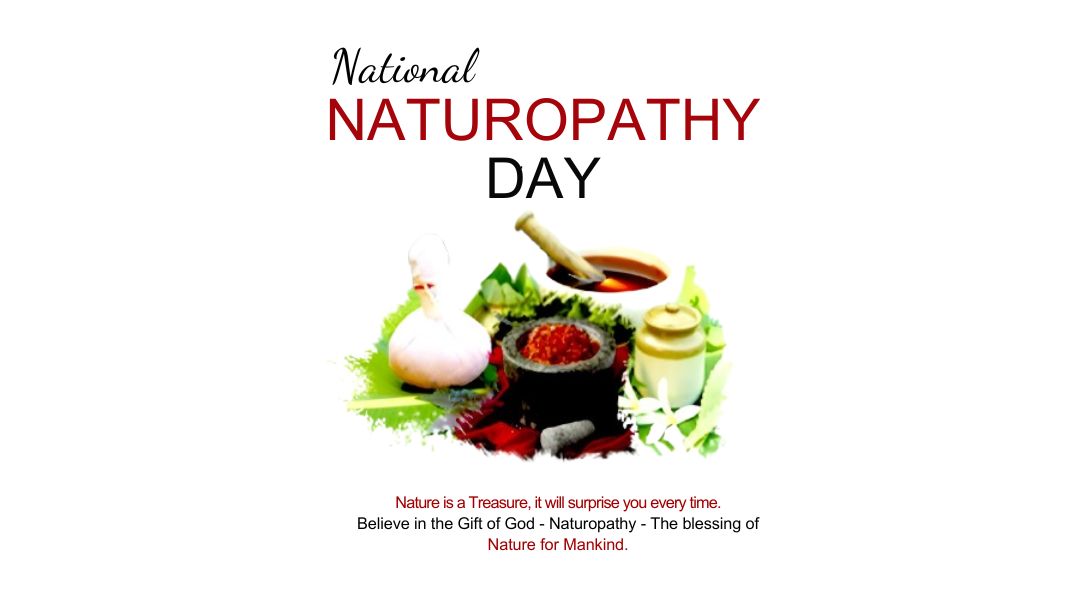
National Naturopathy Day: Importance, History & Benefits National Naturopathy Day is celebrated every year on 18th November in India to...
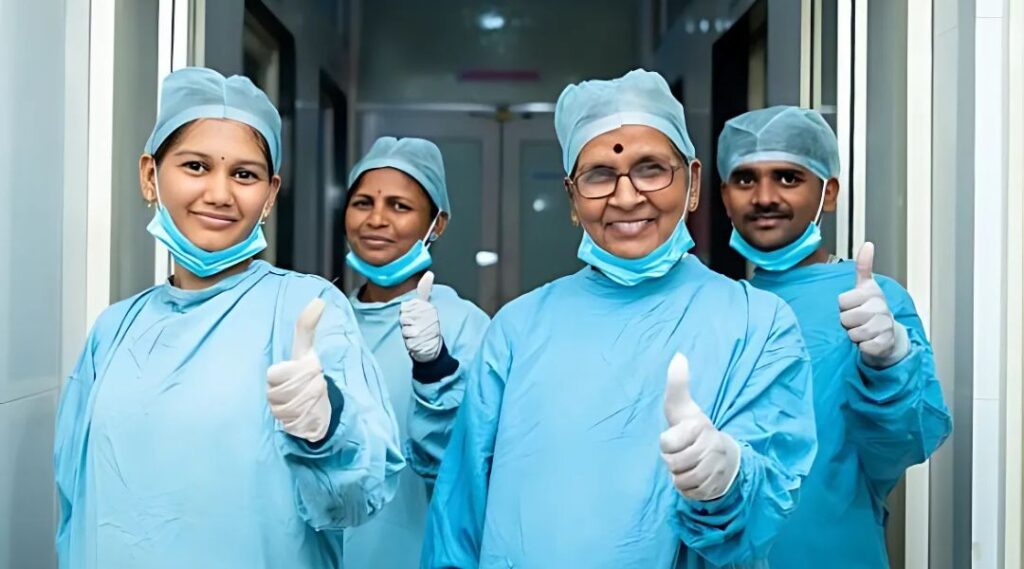
The healthcare industry is one of the fastest-growing sectors in the world, and paramedical professionals play a vital role in it. While doctors and nurses are often in the spotlight, paramedics work behind the scenes to support diagnosis, treatment, and patient care. With growing demand for skilled healthcare workers, the paramedical field offers excellent job opportunities, professional respect, and job security.
In this article, we explore the top career options available in the paramedical sector.
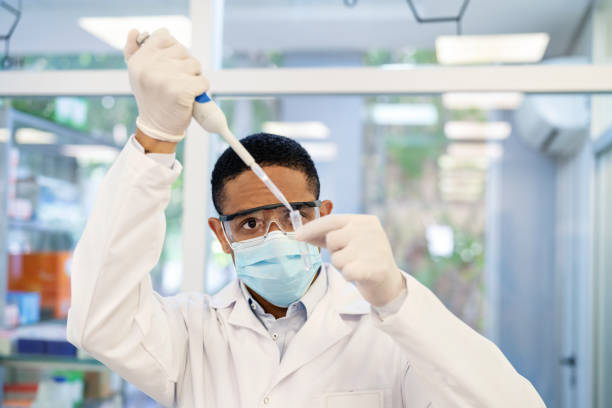
Role: Performs tests on blood, urine, and other body fluids to help diagnose diseases.
Workplaces: Hospitals, diagnostic labs.
Courses: Diploma or B.Sc. in Medical Laboratory Technology.
Skills Needed: Lab skills, accuracy, safety protocols.
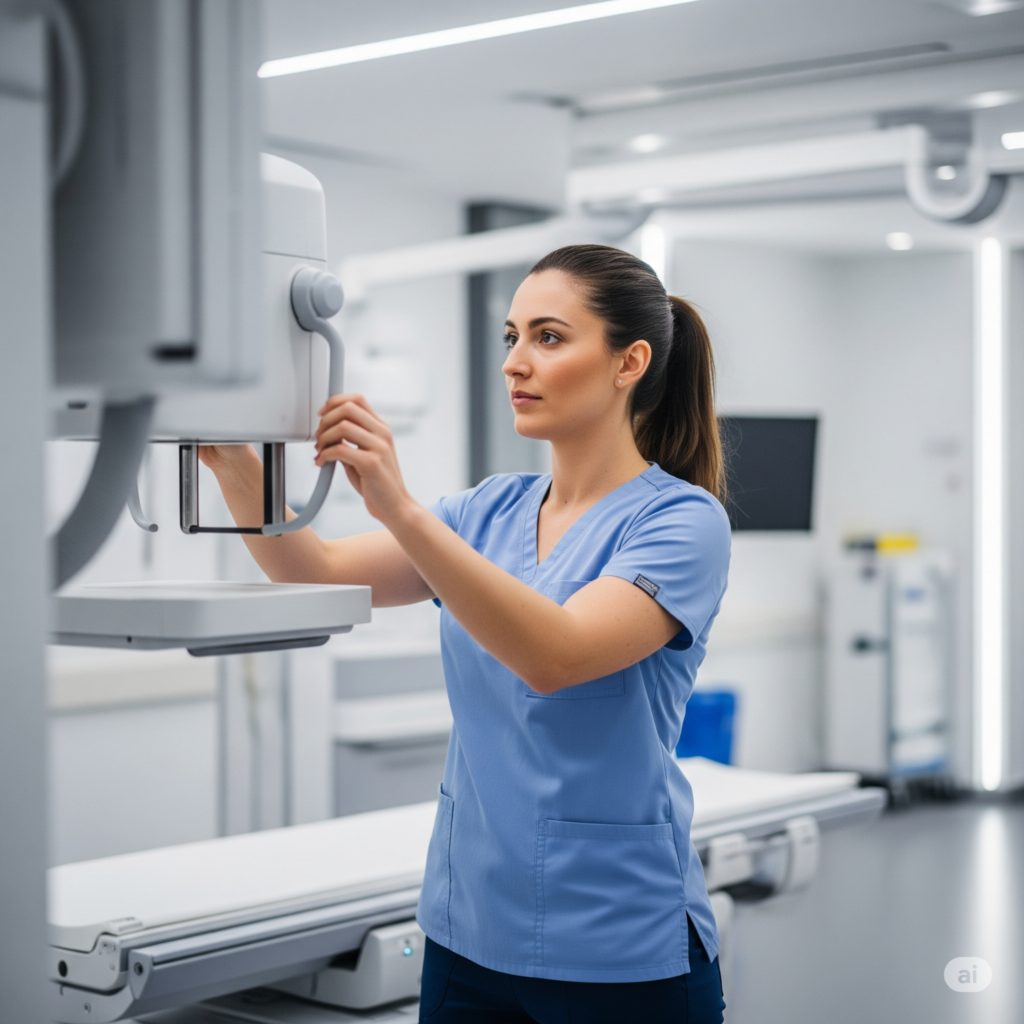
Role: Operates imaging machines like X-rays, CT scans, and MRIs.
Workplaces: Hospitals, diagnostic centers.
Courses: Diploma or B.Sc. in Radiology & Imaging Technology.
Skills Needed: Technical skills, patient communication.

Role: Helps patients recover mobility through exercises and physical therapy.
Workplaces: Hospitals, clinics, rehab centers.
Courses: Bachelor of Physiotherapy (BPT), Master’s for specialization.
Skills Needed: Human anatomy, rehabilitation techniques.
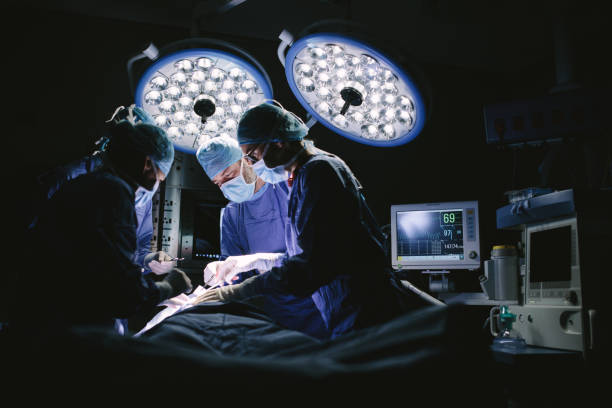
Role: Assists in surgical procedures and maintains sterile conditions in the OT.
Workplaces: Hospitals, surgical centers.
Courses: Diploma in OT Technology.
Skills Needed: Instrument handling, sterilization, focus.
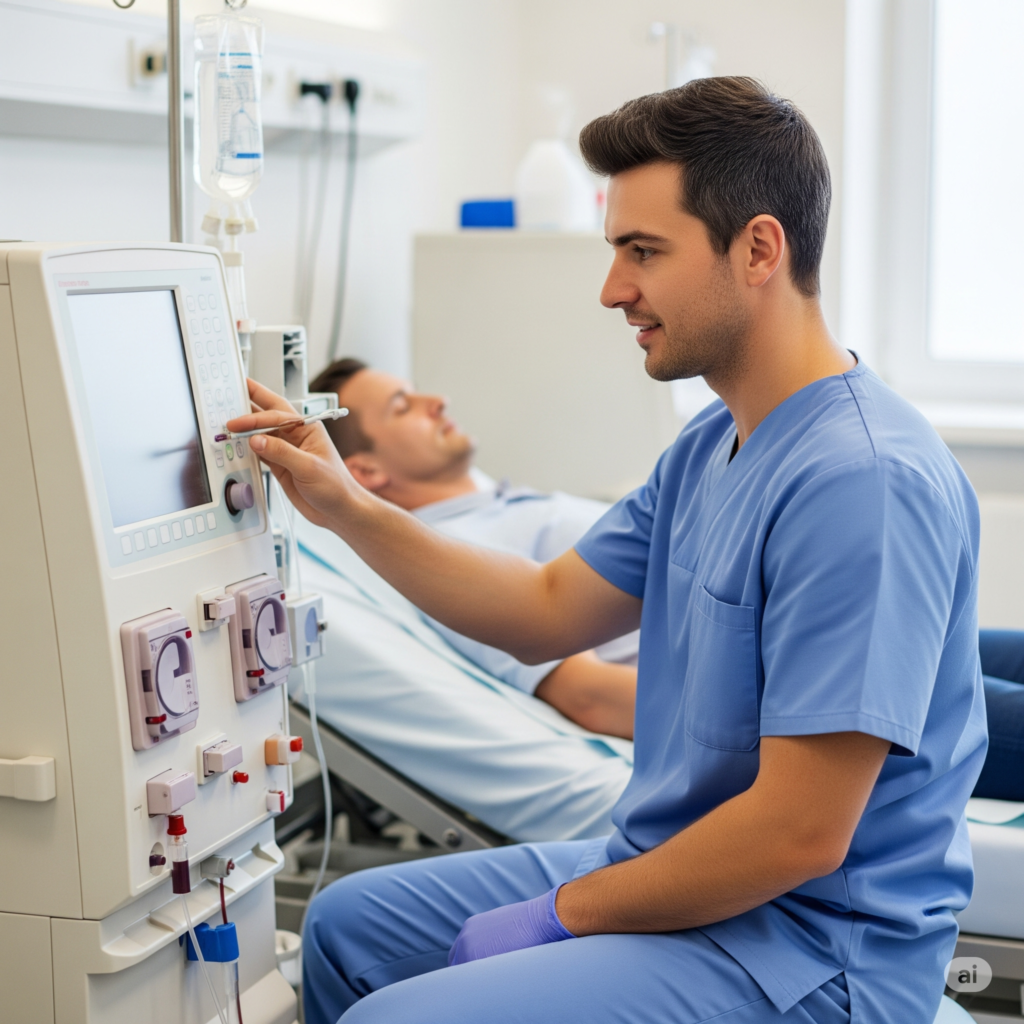
Role: Operates dialysis machines for patients with kidney failure.
Workplaces: Dialysis centers, hospitals.
Courses: Diploma in Dialysis Technology.
Skills Needed: Machine handling, patient care.
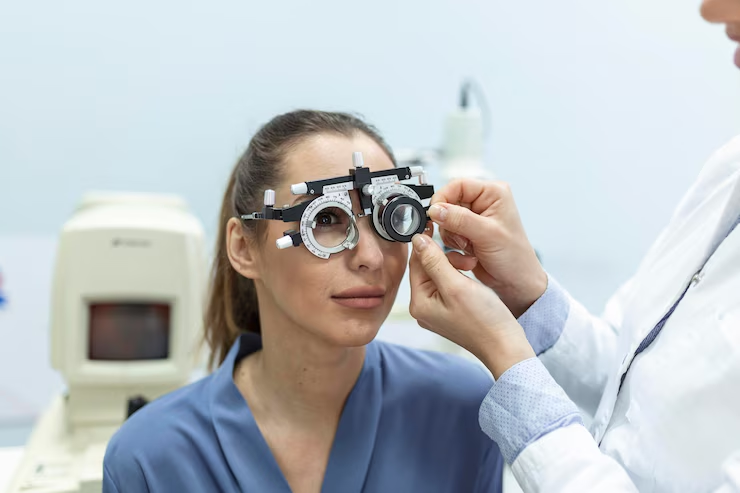
Role: Tests vision and prescribes corrective lenses.
Workplaces: Eye hospitals, optical clinics.
Courses: Diploma or B.Sc. in Optometry.
Skills Needed: Vision analysis, use of optical tools
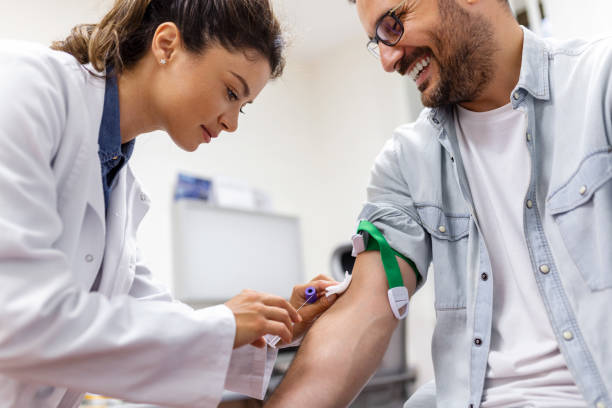
Role: Specializes in drawing blood for tests, transfusions, donations, or research.
Workplaces: Hospitals, diagnostic labs, blood banks, clinics.
Courses: Certificate or Diploma in Phlebotomy.
Skills Needed: Blood collection techniques, hygiene, patient comfort.
Phlebotomists play a key role in medical testing. Their ability to safely and efficiently draw blood is critical for diagnosis and treatment. This is a great career option for those who want a short course with quick employment opportunities.
National Naturopathy Day: Importance, History & Benefits National Naturopathy Day is celebrated every year on 18th November in India to...

World Diabetes Day: Understanding Diabetes and Spreading Awareness Team Kedarq November 14, 2025 World Diabetes Day is celebrated every year...

BBA in Healthcare Management – Online Study Mode Team Kedarq October 30, 2025 In today’s fast-evolving healthcare industry, there is...